
If you couldn’t tell, we’ll say it plainly; we’re obsessed with microbes.
Not in the trend-cycle, “gut health is having a moment” kind of way, nor in the biohacking, optimisation-at-all-costs sense either; although those approaches are incredibly cool. Our obsession, instead, comes from a growing recognition that microbes are a way of understanding life itself.
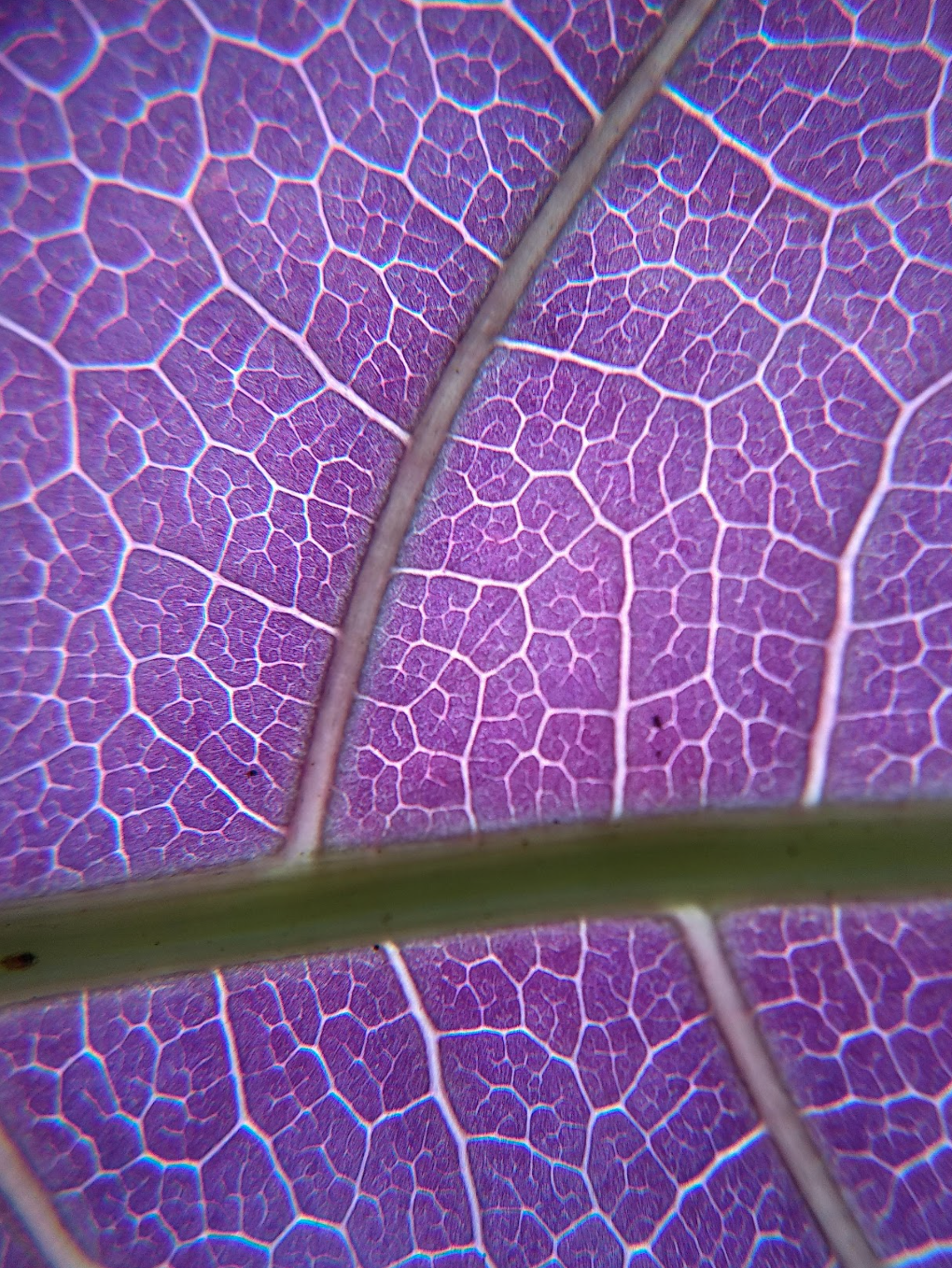
Once you begin to think microbially, it becomes difficult to return to older models of the world; because microbes undo something fundamental – the idea that anything exists alone.
At a biological level, this is now well established. The human body is a dense ecosystem, composed of human cells and microbial life in constant interaction. Digestion, immunity, inflammation, even aspects of mood and cognition; all of these emerge from relationships between organisms. To speak of “the body” as a singular entity is already an oversimplification. What’s even more incredible, though, is that microbial thinking in this context is just the tip of the iceberg. It extends outward.
The same relational way of being appears in soil systems, in which microbial networks regulate nutrient availability and plant health. It appears in oceans, where microorganisms shape atmospheric composition and climate processes. It appears in our homes, on our surfaces, in the air we move through daily. Everywhere we look (or rather, everywhere we learn to look) life is organised through interaction.
This is the first shift microbial thinking introduces. We go from the sum of parts, to the whole; from isolation to relationships. Instead of asking, “What is this made of?” we begin to ask, “What is this in relationship with?” Instead of isolating causes, we look for patterns of interaction, and instead of treating systems as static, we recognise them as dynamic, adaptive, and deeply context-dependent.
Microbial communities are responsive, shifting in relation to inputs, environments, and time. What matters is neither purity nor perfection, but resilience; the capacity of a system to adapt without collapsing. They show us that life is negotiated, and that outcomes emerge from interaction, rather than control. Microbes teach us that context matters as much as composition, and these are operational principles that apply across biological, ecological, and even social systems.
At the same time, microbial thinking requires deep humility; the more we study microbial systems, the more we encounter their complexity. To think microbially, then, is to recognise that autonomy is always partial, that boundaries are permeable, and that life persists through networks of interaction that extend far beyond what we can see. It is to understand that we ourselves are these amazing, complex (and complicated…) expressions of the systems that we inhabit.
So yes, we’re obsessed with microbes, because they reveal that to understand life (properly, fully, and with any degree of accuracy) we have to look at relationships and the conditions that shape them. In a chaotic and uncertain world, this gives us reason to believe that our future depends on how well we learn to live with, and care for, one another. Microbes are our tiny, unseen allies in a world that offers us so much in the way of curiosity and wonder. Now that’s a form of hope we can get behind!
