
We inherit a story about ourselves that is increasingly difficult to sustain, the closer that science brings us into contact with the systems that exceed us. It is a story of the individual body; bound, autonomous, and self-governing; a body that begins at the skin and ends at the world. Within this narrative, health is something that can be optimised internally, corrected through targeted intervention, and understood as the outcome of processes contained within a singular organism. This model has shaped medicine, culture, and policy for centuries, and while it has enabled extraordinary advances, it rests on a narrow view.
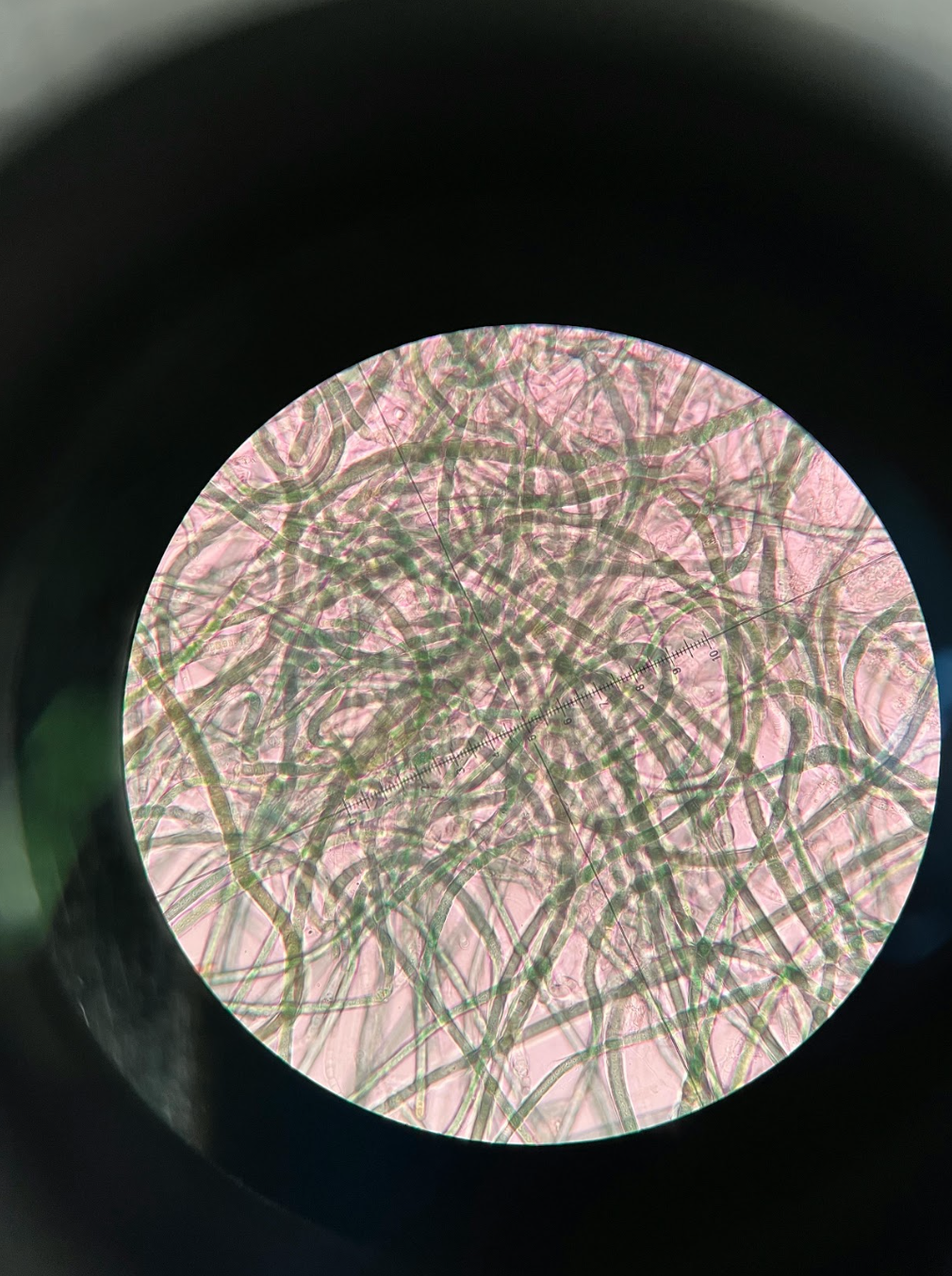
Microscopic Organisms By Leo Freire, via Pexels
What we call the human body is not a singular biological entity but a consortium; a dense and dynamic assembly of human and microbial life forms that exist in constant interaction. Trillions of microorganisms inhabit the gut, skin, respiratory tract, and every interface between the body and its environment, forming complex ecological systems that regulate digestion, immunity, metabolism, and aspects of cognition and mood. These organisms are neither peripheral nor supplementary to human function; they are constitutive of it, and we cannot accurately describe the human body without accounting for them.
A more precise understanding would recognise the body as an ecosystem; a site of ongoing negotiation between organisms, environments, and conditions, in which outcomes emerge from relationships rather than from isolated parts. It is this premise, of our bodies and the unseen consortium that gives rise to life, that forms the basis of our work at the Microbiome Futures Institute. We are interested in uncovering the symbiotic relationship between humans and microbes, and, by extension, the world we inhabit.
The difficulty in recognising this reality lies, in part, in its invisibility. Microbial life operates at a scale that sits below the threshold of human perception, and yet it structures nearly every system we rely on. Every breath carries microbial life; every surface hosts communities of organisms; soils, oceans, and atmospheres are shaped by microbial processes that regulate nutrient cycles, influence climate systems, and sustain the conditions for life on Earth.
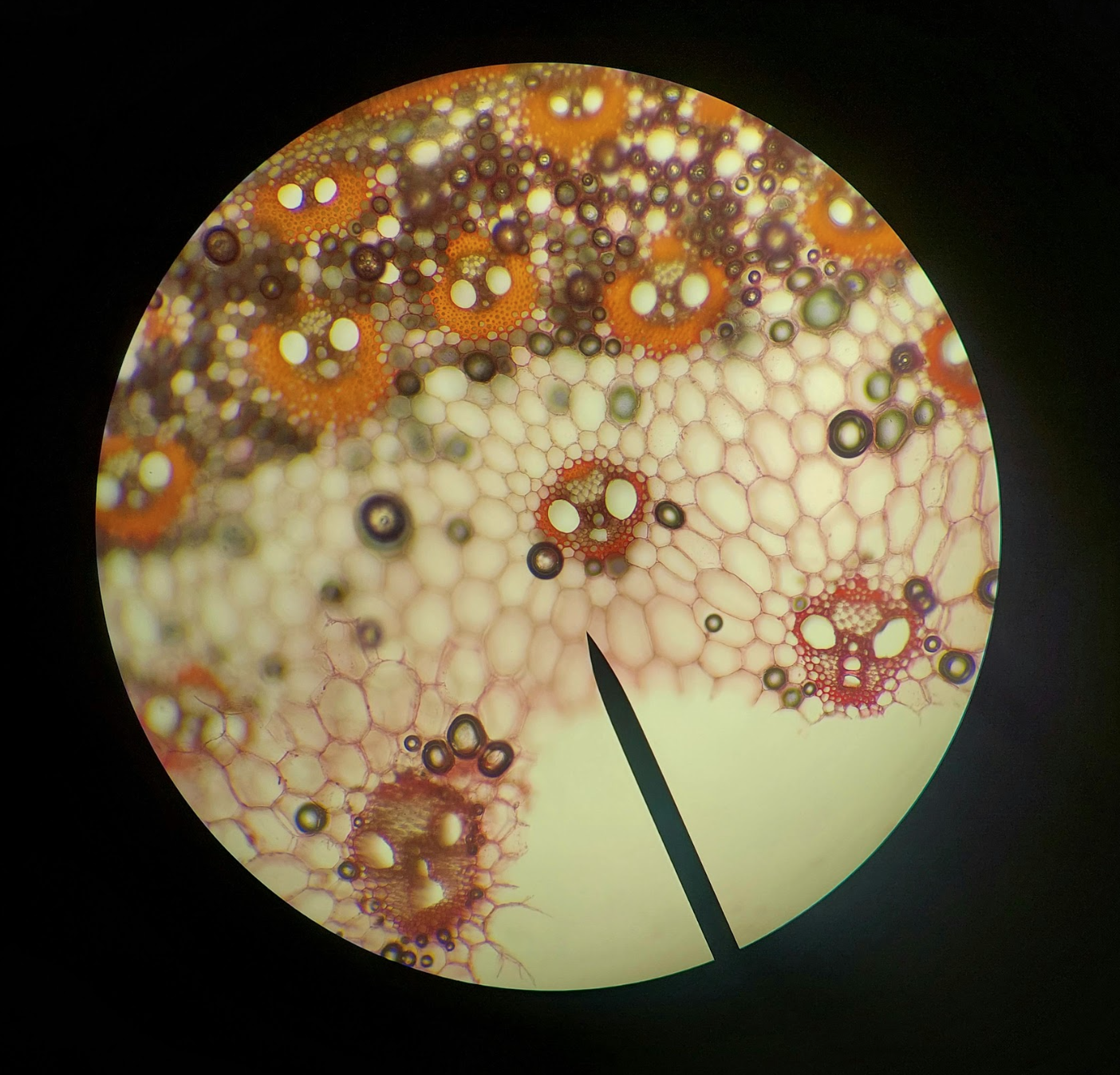
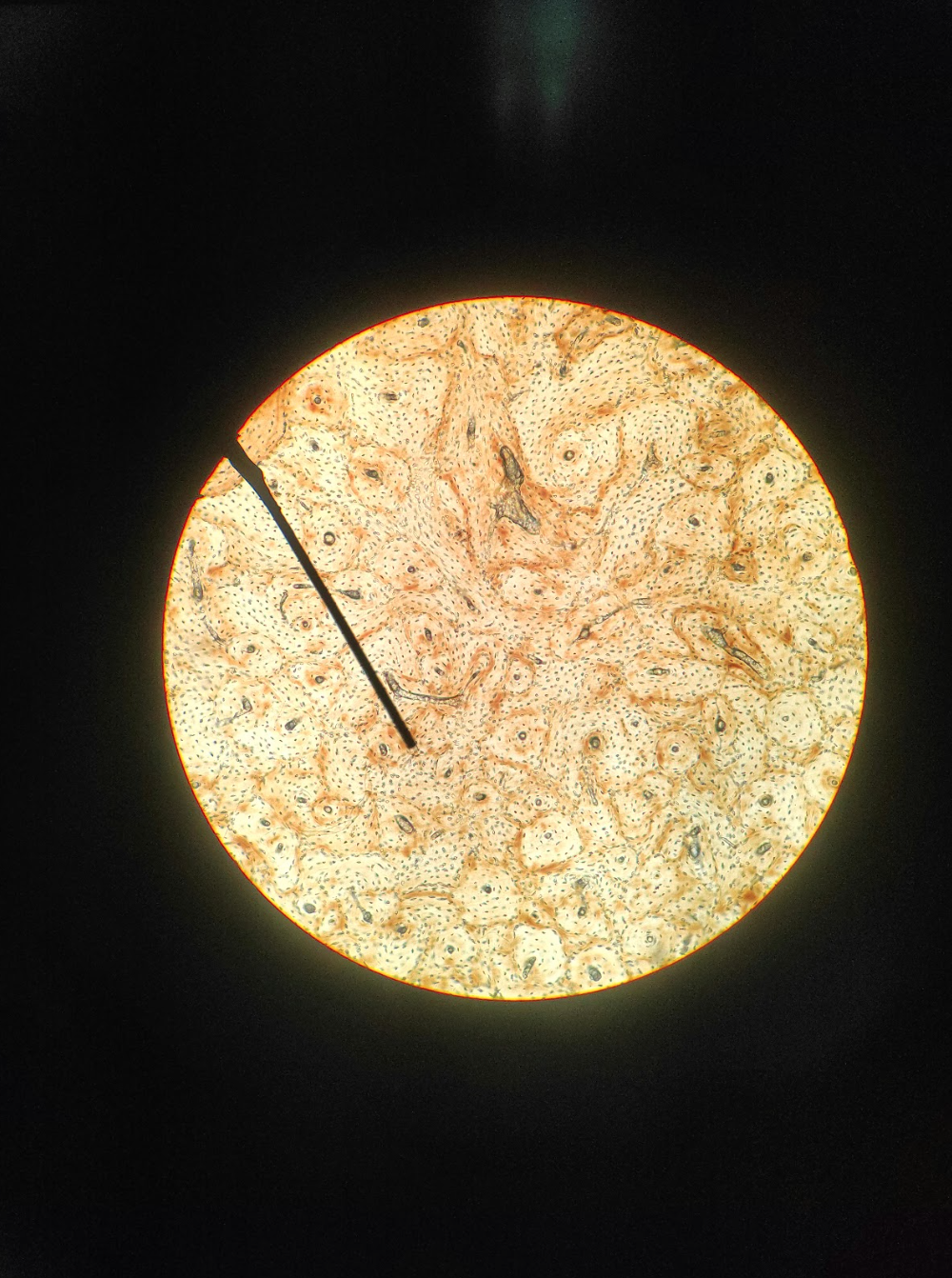
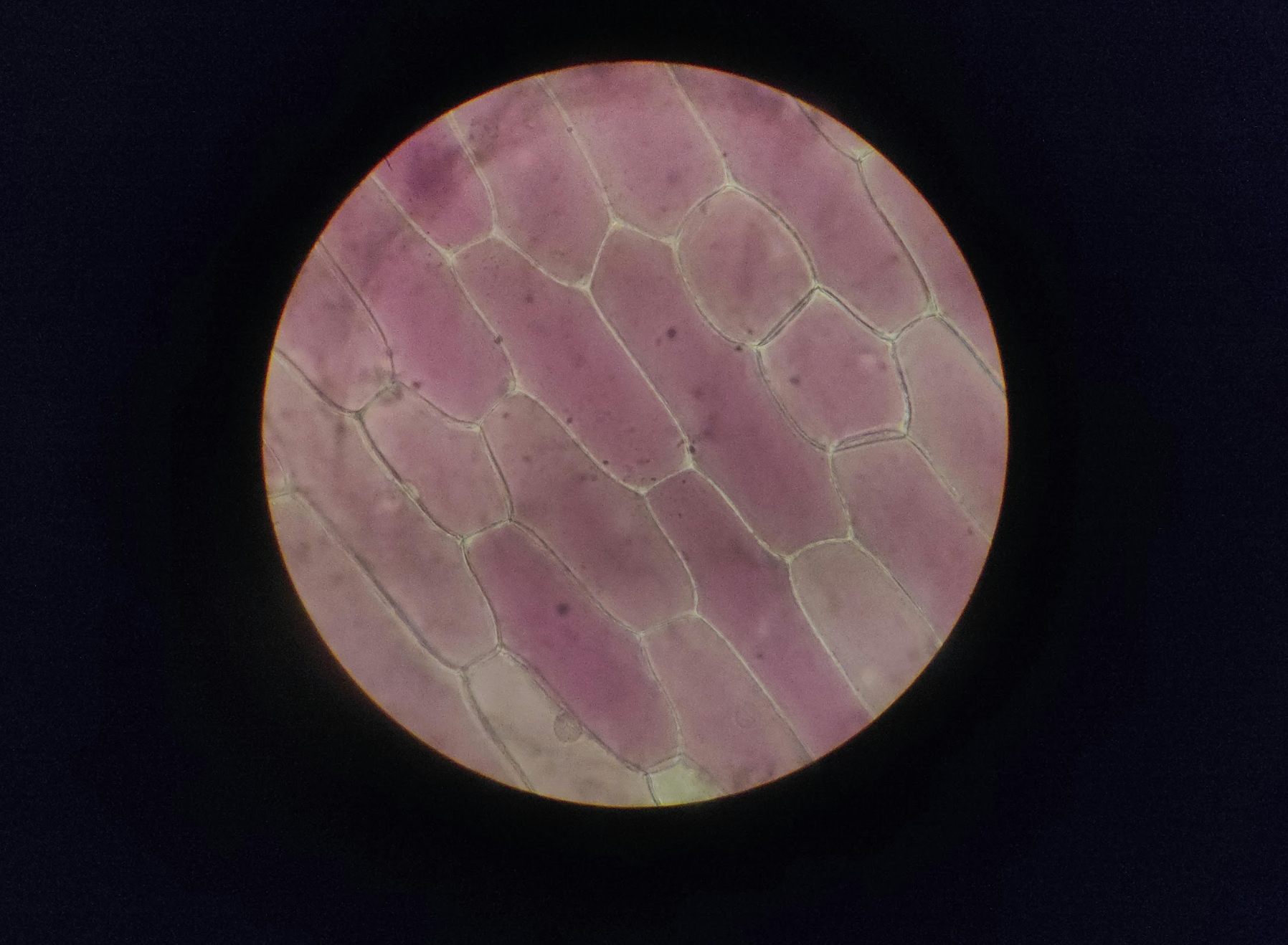
Within this context, the microbiome is best understood as an ecological field – a dynamic web of organisms, genes, chemical exchanges, and environmental relationships that are continually in flux. This framing is critical, because it resists the tendency to treat the microbiome as something contained or owned, and instead situates it within a broader system of interactions that extend beyond the boundaries of the body.
To engage with microbial life, then, is to encounter a different scale of organisation, one that emerges from patterns of interaction rather than singular drivers. It requires a shift from linear to relational thinking, and from static to dynamic models of understanding. The concept of nested systems becomes essential here; bodies exist within environments, environments within ecosystems, and ecosystems within planetary processes, each layer influencing and being influenced by the others. What appears separate at one scale reveals itself as continuous at another.
We’re curious about the microbiome for how it works, and for what it shows us about how to live. There are few more immediate or tangible expressions of interdependence (the idea that nothing exists in isolation, and that all life is shaped through relationship) than microbial life. Here, it becomes clear that interdependence is something that we already are. We simply have to reorient ourselves within it. In microbial worlds, this is clear. Bacteria, fungi, and other microorganisms are constantly interacting; sharing resources, sending signals, competing, supporting, adjusting. Balance and health are shaped by the quality of these relationships. Seen this way, the microbiome offers a way of thinking that shifts us away from the idea that independence is the goal, and toward an understanding that everything meaningful happens in relationships; that our bodies, our environments, and our communities are all shaped by ongoing exchange. This plays out everywhere; in our gut, microbes help regulate immunity and digestion. In soil, they support plant life and nutrient cycles. In oceans, they influence the air we breathe.
At MFI, interdependence is our guiding principle. It sharpens our curiosity and anchors our approach to care, responsibility, and belonging; all grounded in the understanding that we are always part of something larger. Much of contemporary knowledge is still shaped by fragmentation. We separate the body from the environment, biology from culture, science from everyday life; organising the world into neat categories that often obscure the relationships between them. This way of thinking influences how problems are defined and addressed, frequently leading to solutions that overlook the systems those problems emerge from.
At its core, this creates a kind of perceptual gap. When relationships are harder to see, it becomes harder to understand how actions in one area affect another. The air we breathe shapes the microbes in our bodies; and a fragmented worldview, no matter how precise, struggles to engage with this kind of interconnected reality. The microbiome offers a way back into this awareness. It makes visible the relationships that underpin life, showing that autonomy is a particular arrangement of connections that allows something to function. Seen through this lens, familiar ideas begin to change; the planet is a dynamic system we are deeply entangled within, and we each have a role to play, regardless of our size; mammoth or minute.
Interdependence is a way of seeing, and a way of acting; one that opens up more responsive, connected ways of thinking about health, environment, and the conditions that sustain life. The challenge, as we’ve seen it, lies in the gap between scientific understanding and cultural legibility. Microbial life, while foundational to biological systems, remains largely abstract in everyday perception.
This is is how the vision of the Microbiome Futures Institute came. Our work is to make the invisible visible; by translating it into forms that can be understood, felt, and applied. This means developing modes of storytelling and knowledge-sharing that hold scientific nuance while remaining accessible, building narratives that connect biological processes to lived experience, and creating frameworks that help people situate themselves within the systems they are already part of; for a richer, more interdependent future.
